Guide · 6 min read
A Calm Monthly Budget Routine in Five Steps
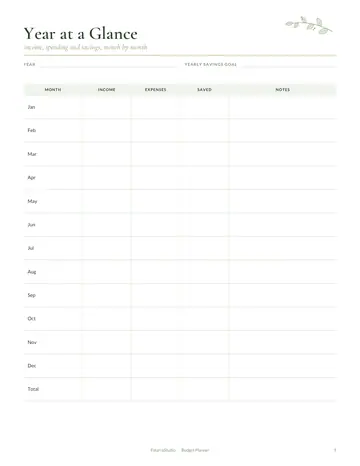
A monthly budget routine is a set time each month when you plan income, bills, savings and spending on paper. Choose a budget day, list income and fixed bills, give every dollar a job, track spending through the month, then review and reset.
A monthly budget routine in five calm steps: pick a budget day, list income and bills, give every dollar a job, track spending and review the month.

Budgeting has a reputation for being restrictive, complicated or simply boring. In reality, a good budget is just a plan for your money, made once a month and checked once a week. When it becomes a routine, it takes less than an hour a month and brings a surprising amount of calm. This guide walks through a five-step monthly routine using printable pages, so you can see every dollar on paper and make choices with confidence.


Why does a paper budget work?
Many people find that writing numbers by hand makes them more real. You notice the subscription you forgot, the takeout that added up, the bill that went up quietly. Paper also has no notifications and no ads. A printed Budget Planner on the kitchen table invites conversation with a partner, while an app on one person's phone often does not.
Step 1: Choose your budget day
Pick one day near the start of each month, ideally just before or after your main paycheck arrives. Put it on the calendar as a short appointment with yourself, around thirty to forty-five minutes. Bring your planner, a pen, a calculator and your recent bank statements. If you share money with a partner, do it together.
If you are paid weekly or every two weeks, a Paycheck Budget Planner lets you plan each paycheck separately, which often feels easier than one monthly plan.
Step 2: List income and fixed bills
Write down all income you expect this month: wages, side income, benefits or support. Use the amount you actually receive after tax.
Then list fixed bills: rent or mortgage, utilities, insurance, phone, internet, loan payments and subscriptions. A Monthly Bill Tracker shows each bill with its due date and amount, and you tick it off when it is paid. This alone prevents most late fees.
Step 3: Give every dollar a job
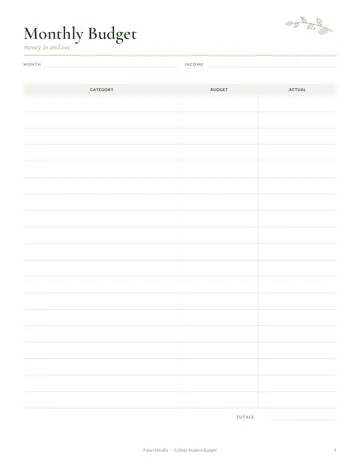
Now plan the rest. Subtract fixed bills from income, and divide what remains among categories:
- Everyday spending: groceries, fuel or transport, household items and personal care.
- Savings: an emergency fund first, then goals such as a vacation or a new laptop.
- Sinking funds: small monthly amounts for yearly or irregular costs such as car repairs, gifts, school fees and holidays.
- Debt payoff: extra payments above the minimum, if you are paying down debt.
- Fun money: a small amount for each person to spend freely, which makes a budget much easier to keep.
When income minus all categories equals zero, every dollar has a job. That does not mean spending everything; savings and debt payments are jobs too.
Step 4: Track spending through the month
A budget only works if you know where money actually goes. Choose the tracking method that suits you:
- Write each purchase on an expense tracker page as it happens.
- Or, once a week, copy purchases from your bank app onto the page.
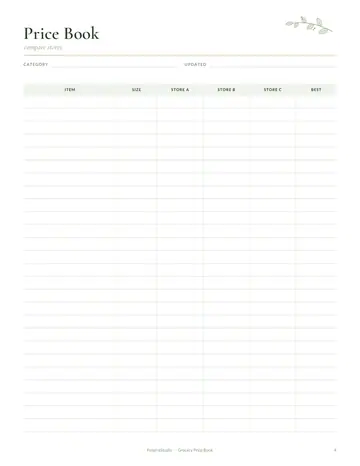
The weekly check-in is the key habit. Every Sunday, spend ten minutes adding up spending in each category and comparing it to the plan. If groceries are running high, you can adjust next week's meals rather than discovering the problem at the end of the month. A Grocery Price Book helps you notice where prices are best for the items you buy most.
For small businesses and side income, keep a separate Income & Expense Ledger so personal and business money never mix.
Step 5: Review and reset
At the end of the month, compare what you planned with what you spent. Note what went well, where you overspent and what surprised you. Then carry those lessons into next month's plan. If a category is always too small, increase it and reduce another. Budgets improve each month.
This is also the time to update your savings and debt trackers. Coloring in a Savings Challenge Tracker or crossing off a balance on a Debt Payoff Planner is one of the most motivating moments in the routine. Progress you can see keeps you going.
How does debt payoff fit in?
If you have several debts, list them all with balances, interest rates and minimum payments. Two popular methods are paying the smallest balance first, which gives quick wins, or paying the highest interest rate first, which saves the most money. Either works when you stay consistent. Put any extra money toward one debt at a time while paying the minimum on the rest.
How can students and teens budget?
Young people benefit most from a simple routine. A Teen Budget Planner teaches the basics of income, saving and spending with a first job or allowance, while a College Student Budget covers rent, books, food and part-time work. Learning the habit early makes adult finances far less stressful.
What if you overspend?
Some months will not go to plan. A car breaks down, a child needs new shoes, a celebration costs more than expected. That is not failure; it is exactly why you budget. Adjust, move money between categories, and start again next month. The goal is awareness and progress, not perfection.
What does a first monthly budget session look like?
Here is how the five steps look in practice for someone setting up their first Budget Planner. The numbers are simple round figures to show the method, not a recommended budget.
Income and fixed bills
Monthly take-home pay is $3,200. The fixed bills, taken from last month's statements and written into the Monthly Bill Tracker, are:
- Rent: $1,250
- Car payment: $280
- Car insurance: $110
- Phone and internet: $120
- Electricity and water: $140
That totals $1,900, which leaves $1,300 to plan.
Giving every dollar a job
- Groceries: $450, split into four weekly amounts of about $112.
- Fuel and transport: $160.
- Household and personal care: $90.
- Eating out and fun: $120.
- Debt payoff: $200 extra toward a credit card, recorded in the Debt Payoff Planner.
- Savings: $200 toward an emergency fund, colored in on the Savings Challenge Tracker.
- Buffer: $80 for anything unexpected.
The plan adds up to $1,300 exactly, so every dollar has a job.
Tracking through the month
Each receipt is logged in the expense pages twice a week. By the middle of the month, groceries are on track, but eating out has already reached $95.
The review
At the end of the month, eating out came to $150, $30 over plan. The buffer covered the difference, so savings and debt payments stayed on schedule. For the next month, the person moves $20 from household spending to eating out, because a budget should reflect real habits, and keeps the buffer at $80. They also set a reminder to check the eating out line every Friday, so they can slow down before the money runs out rather than after.
What the example shows
Nothing about this budget is complicated. It works because the plan is written down, spending is checked against it during the month, and the review changes the plan rather than treating overspending as failure.
What should your first month look like?
Print a monthly budget page, a bill tracker and an expense tracker. Choose your budget day, list income and bills, plan categories and do one weekly check-in. After three months, you will know your spending patterns better than ever, and the routine will feel natural. A calm relationship with money starts with one page.
Monthly budget routine: your questions
How long does it take to do a monthly budget?
A monthly budget usually takes about one hour once you have done it two or three times. The first month can take longer while you gather bills and statements. After that, plan the month in one sitting, then spend five minutes a week updating your spending tracker so the review stays quick.
What is zero-based budgeting?
Zero-based budgeting means you assign every dollar of income to a category until nothing is left unplanned. Savings, debt payments and fun money count as categories too, so the method is not about spending everything. It simply makes sure each dollar has a clear job before the month begins.
What is the best day to do a monthly budget?
The best day to do a monthly budget is shortly before the new month begins, or right after your main payday. Choose a day you can keep every month and protect about an hour for it. Doing it on the same day each month turns budgeting into a habit instead of a chore.
What if my income changes every month?
If your income changes every month, budget from your lowest normal month and treat anything extra as a bonus for savings or debt. List fixed bills first, then essentials, then flexible spending. When a bigger month comes in, move the extra to your savings or to next month's budget.
Read next: How to Print Planner Pages at Home and A4 vs US Letter: Which Planner Size Should You Print?.
Sources and further reading